
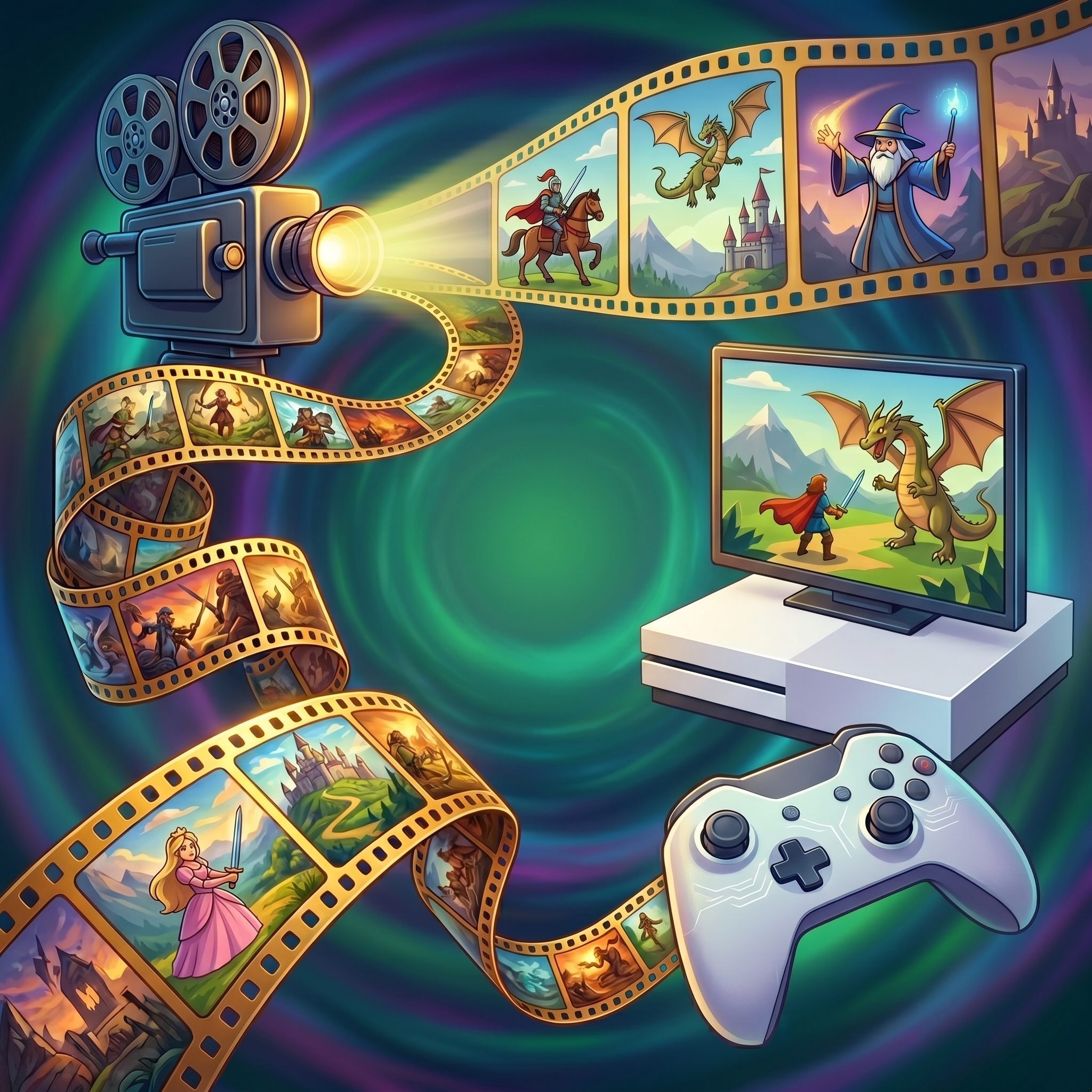
Video game adaptations are no longer a gamble. They are becoming one of Hollywood’s most reliable pipelines for new content. From major streaming hits to big-budget theatrical releases, studios are increasingly turning to gaming IP as a foundation for movies and television.
What was once a niche crossover has evolved into a mainstream strategy, driven by audience demand, recognizable franchises, and shifting entertainment economics. So why are video game movies and shows gaining so much momentum, and what separates the successful adaptations from the ones that fall flat?
Why Studios Are Investing in Gaming IP
At a high level, the appeal is straightforward. Video games already offer something studios are constantly searching for: built-in audiences.
Established Fanbases Unlike original scripts, games come with:
Millions of existing players
Active online communities
Years of brand recognition
This reduces marketing risk. Studios are not starting from zero. They are building on something that already has cultural traction.
Expansive Worlds and Lore Modern games are not just gameplay systems. They are fully realized worlds with:
Deep character backstories
Established timelines
Rich environments and mythology
This makes them ideal for long-form storytelling, especially in the era of streaming where multi-season arcs are the norm.
Cross-Media Ecosystems Gaming IP fits naturally into broader entertainment ecosystems. A successful adaptation can:
Drive new players to the original game
Extend the life of an existing franchise
Open opportunities for merchandise, spin-offs, and sequels
For studios and publishers alike, adaptations are not just content. They are strategic extensions of a brand.
Success vs Failure: What the Track Record Shows
Video game adaptations have a long history, but their reputation has shifted significantly.
The Earlier Era: Inconsistent Results For years, game adaptations struggled due to:
Weak scripts that ignored source material
Misaligned tone between game and film
Limited involvement from original creators
These issues led to a perception that games were difficult to translate into compelling narratives.
The Recent Shift: More Consistent Success More recent adaptations have performed better both critically and commercially. Common factors include:
Strong collaboration between studios and game developers
Respect for the original tone and themes
Higher production quality and budgets
Casting and direction that align with audience expectations
Studios have learned that adapting a game is not about copying the plot beat for beat. It is about capturing the core identity of the experience.
What Makes a Good Game Adaptation
Not every game translates well to film or television. The most successful adaptations tend to follow a few key principles.
Respect the Source, but Adapt the Format Games and films are fundamentally different mediums. A good adaptation:
Keeps the spirit of the original
Adjusts pacing and structure for storytelling
Focuses on characters and emotional arcs
Trying to replicate gameplay mechanics directly rarely works. Instead, the focus shifts to narrative cohesion.
Strong Character Focus The most successful video game movies and shows prioritize characters over spectacle. While action and visuals matter, audiences connect with:
Clear motivations
Emotional stakes
Relationships between characters
Games that already emphasize storytelling and character development tend to adapt more smoothly.
Clear Creative Vision Adaptations benefit from a unified direction. Projects that succeed often have:
A clear tone from the start
Consistent world-building
Alignment between writers, directors, and producers
Without that cohesion, even strong IP can feel fragmented.
Involvement from Original Creators When developers or original writers are involved, adaptations tend to feel more authentic. Their input helps ensure:
Accuracy in world-building
Consistency in character portrayal
Preservation of what made the game resonate in the first place
This collaboration has become more common as studios recognize its value.
Why This Trend Is Continuing
The growth of video game adaptations is tied to broader shifts in entertainment.
Streaming Demand for Long-Form Content Streaming platforms need content that can:
Sustain multiple seasons
Build dedicated audiences
Drive subscriptions
Gaming IP, with its expansive lore, fits this model well.
Rising Development Costs in Film and TV Original productions carry higher financial risk. Adaptations offer a safer alternative because they come with pre-existing awareness and demand.
The Cultural Growth of Gaming Gaming is no longer a niche. It is one of the largest entertainment industries globally. As its cultural influence grows, so does its appeal to other media sectors. Studios are recognizing that gaming audiences are not separate from film and television audiences. They are often the same people.
What This Means for the Industry
For game developers, adaptations create new opportunities for visibility and revenue. For Hollywood, gaming IP provides a steady stream of recognizable stories. For audiences, it means more crossover between the games they play and the shows and films they watch.
At the same time, expectations are higher. As more adaptations succeed, audiences become less forgiving of projects that miss the mark.
Final Thoughts
Video game adaptations are no longer an experiment. They are a growing part of the entertainment landscape. Studios are turning to games not just because they are popular, but because they offer rich worlds, built-in audiences, and long-term storytelling potential.
The success of this trend depends on execution. When adaptations respect the source material, focus on strong storytelling, and understand the differences between mediums, they resonate. When they do not, audiences notice. As gaming and film continue to overlap, this relationship is likely to remain an important part of how stories are told across industries.